
Industry Spotlight

Fastening Reliability in Electromedical Devices – When Zero Failure is the Only Option

In the operating room, there is no room for error. From surgical lights to MRI scanners, every component must perform flawlessly. For electromedical manufacturers, fastening reliability is the foundation of safety and performance.

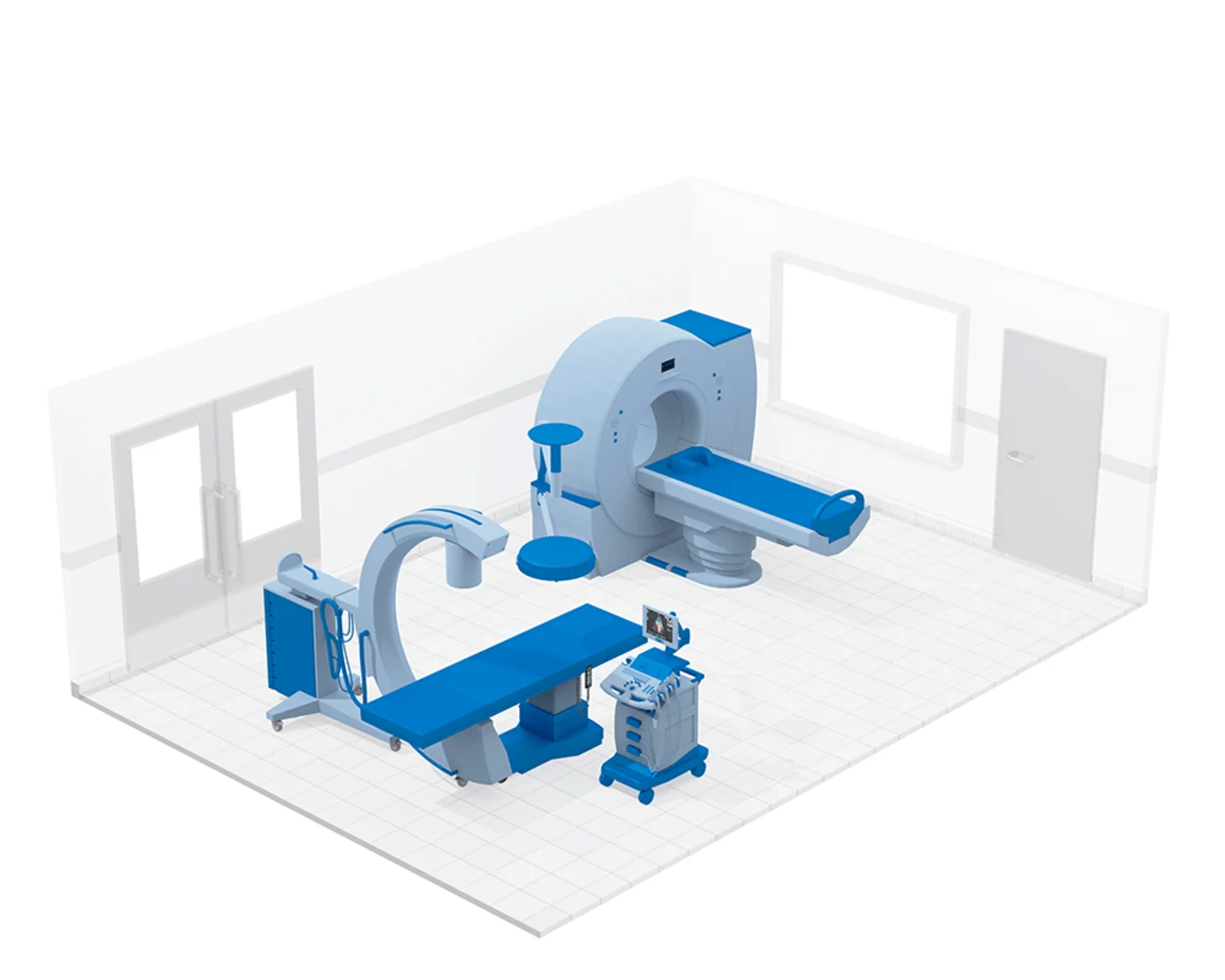
Complicated medical devices in a room.

You Have Questions About Our Services?

The Reality of High Risk Environments

Electromedical equipment operates in conditions that combine vibration, sterilization cycles, and strict hygiene standards. Components are exposed to heat, disinfectants, and continuous motion. A single loose joint can compromise image accuracy in diagnostic systems or interrupt power supply in surgical instruments. The cost of failure extends beyond repair because it affects patient safety and brand trust. It is quite literally a matter of life or death.

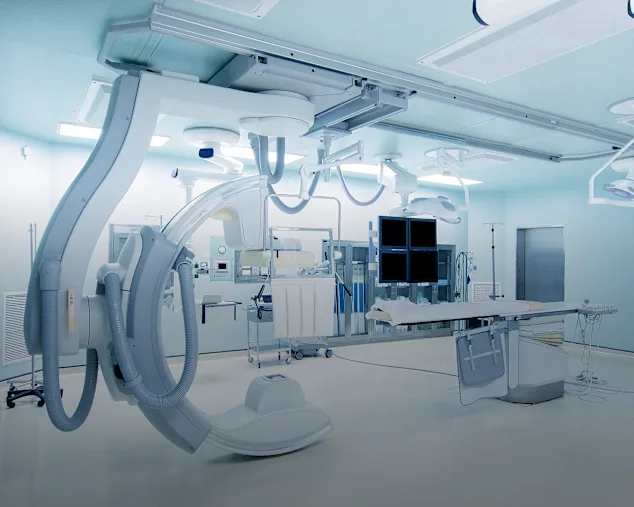
Electromedical devices in the operating room

Requirements for Electromedical Fasteners

Fasteners for this environment must therefore meet the highest mechanical and chemical requirements. They need to hold tight under dynamic loads, resist corrosion from cleaning agents, and maintain a stable clamping force through repeated use.

Engineering Reliability into Every Joint

Our fastening solutions for electromedical devices are designed to eliminate unplanned maintenance and deliver consistent performance. Each technology serves a specific function in protecting precision equipment from wear and vibration:

  • Securing and anti-loosening screws create durable joints without the need for additional locking parts. Their high clamp force and process reliability shorten assembly time while preventing vibration induced loosening.
  • Securing and anti-loosening washers add another layer of safety by maintaining clamp load through many operating cycles. They are easy to install and have proven resistance to both vibration and corrosion.
  • For plastic housings and casings, direct assembly screws for plastics create strong joints directly in thermoplastic materials. Their optimized thread geometry reduces stress and ensures lasting durability.
  • When working with metal frames or panels, direct assembly screws for metal allow quick fastening without pilot holes, reducing production time and eliminating the need for separate securing parts.
  • Additional components such as retaining rings and lockbolts keep moving parts secure even under heavy shear and tensile loads. They maintain alignment and structural strength in high torque applications.
Quality icon

Precision Through Verified Quality

All of these technologies are backed by certified quality systems. Bossard’s medical and life science operations meet ISO 13485 standards for the supply of fastening and assembly products used in medical devices. Testing laboratories worldwide, including several accredited to ISO IEC 17025, verify that every fastener meets the highest mechanical, geometric, and chemical standards. This ensures traceability and full compliance for manufacturers who cannot afford downtime.

In healthcare, performance is measured in patient outcomes, not production metrics. Our role is to ensure every fastening solution contributes to reliability, compliance, and long-term trust in critical medical technology.

Simon Law, Vice President Sales & Marketing, Bossard Asia Pacific

The Takeaway

In the medical and life sciences industry, reliability is never optional. From operating rooms to diagnostic laboratories, every device must deliver precision, durability, and regulatory compliance under continuous use. Mechanical integrity directly supports patient safety and clinical confidence.

By combining corrosion-resistant materials, vibration-proof fastening solutions, and verified testing, Bossard helps electromedical manufacturers design for long-term performance and zero-failure expectations. When lives depend on technology, even the smallest components become the foundation of trust.

Medical & laboratory icon

Fasteners for Medical & Life Science

Find out more about specific fastening solutions for medical devices and life science equipment, including diagnostic systems, surgical equipment, and laboratory instruments.

Learn More