Plastics and Composites

Innovative and Reliable Fastening Technology for Plastics and Lightweight Materials

As a leading provider of fastening technologies, we offer a comprehensive product portfolio of high-quality fastening solutions for a wide range of plastic applications.

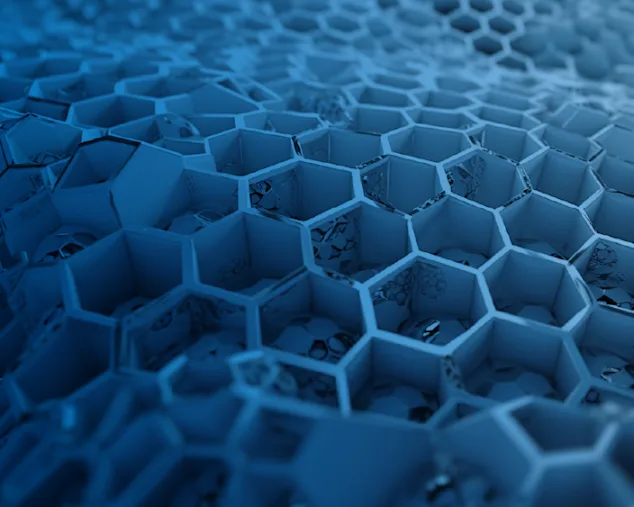
Close-up of a blue honeycomb-like structure, symbolizing innovative plastic fastening technology.

Specialized Solutions for Special Plastic Materials

Few materials offer the versatility of plastics, both in terms of applications and the variety of material types available. However, finding the perfect fastening solution for specific plastic types and lightweight materials can be a challenge.

That’s where we come in. Our expertise and innovative technologies help you navigate the complexities of fastening solutions, ensuring optimal performance for your unique needs.

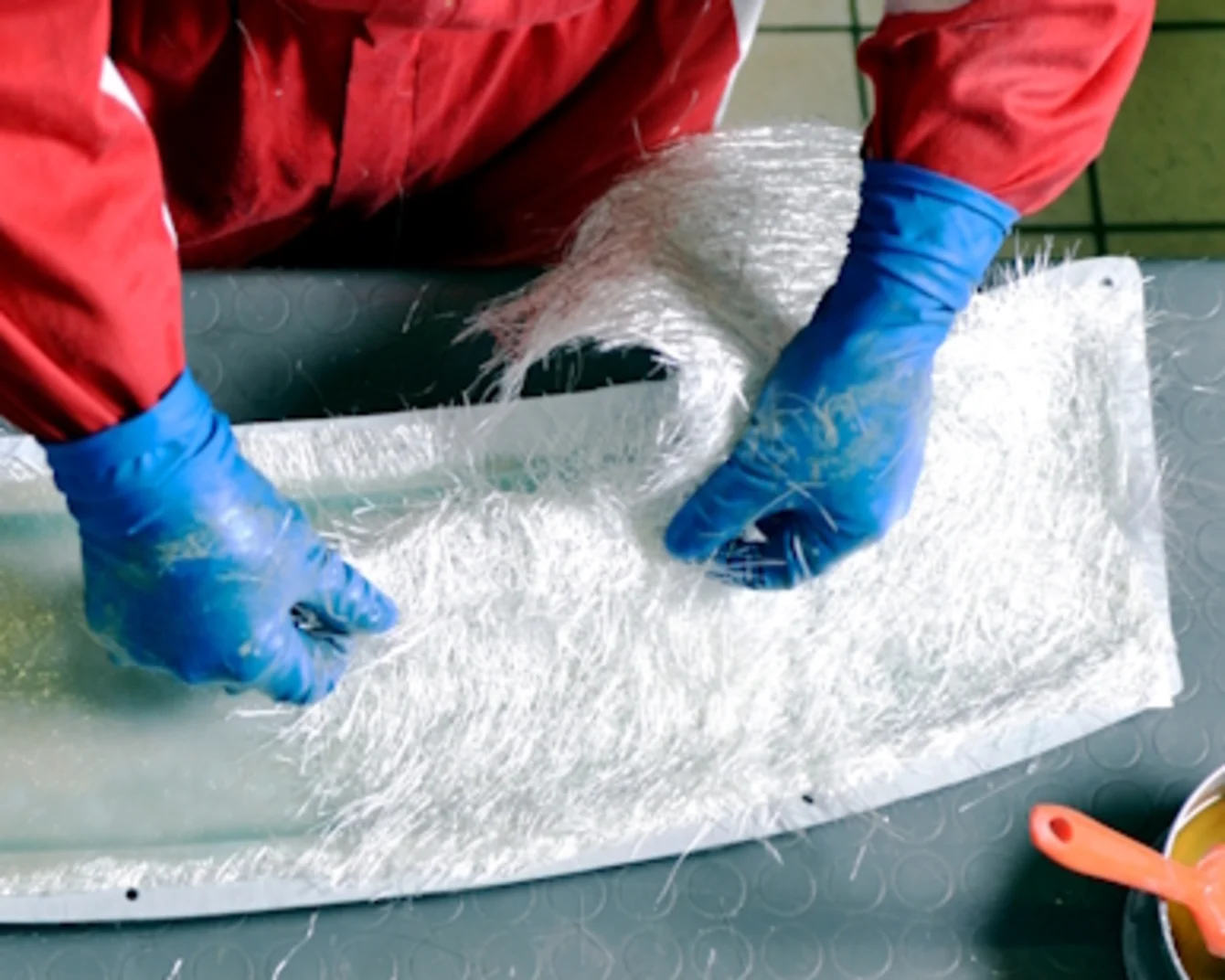
Person in red workwear and blue gloves processing fiberglass mats on a mold.

Fiber-Reinforced Plastics, Glass Fiber-, Carbon Fiber-, and Aramid Fiber-Reinforced Plastics

Our fastening technologies for glass fiber-reinforced plastics (GFRP) and carbon fiber-reinforced plastics (CFRP) are tailored to meet the specific needs of design and manufacturing processes. They ensure optimal durability and precision for complex projects. Our experts are happy to assist you.

Four different sandwich materials and foam panels for lightweight and stable constructions.

Sandwich Materials and Foams

Our advanced solutions are designed to provide engineers in the automotive, aerospace, marine, and other industries with the most efficient and reliable fastening methods. Discover our extensive range of fastening systems specifically engineered to meet the challenges of lightweight materials.

Various colorful thermoplastic granules in transparent containers, partially scattered.

Thermoplastics and Thermosets

Our fastening solutions for thermoplastics and thermosets are specifically tailored to different materials and applications. Discover our versatile range of fastening technologies – from threaded inserts and direct screw fastening to blind riveting and innovative ultrasonic solutions for reliable, durable plastic joints.

Your Experts for Strong Connections

At Bossard, we pride ourselves on our unparalleled consulting expertise. We work closely with our customers to successfully tackle even the most complex application requirements. Our experienced team is by your side every step of the way, developing tailored fastening solutions to meet your specific needs.

Whether it's demanding technical applications or specialized industry requirements, we leverage our expertise and resources to provide you with the best possible support. You can count on us to help you achieve your goals.

Our seasoned specialists are ready to take on any challenge and find the ideal product for your application. Regardless of the type of plastic you use, we offer tailored solutions and top-tier service.

Blue "Contact us" key on a computer keyboard, symbolizing contact initiation.

Our Experts Are Happy to Advise You

Do you have a question, need a quote, or want professional expert advice? We are always available to assist you.

Overlay
Blue "Contact us" key on a computer keyboard, symbolizing contact initiation.

Plastic Materials: Properties and Details

Fiber-Reinforced Plastics (FRP)

What Are Fiber-Reinforced Plastics?

Fiber-reinforced plastics are high-performance composite materials that combine a polymer matrix with reinforcing fibers, such as glass (GFRP) or carbon (CFRP). This synergy creates materials with excellent strength and stiffness at a reduced weight, making them ideal for applications demanding high performance and durability.

Key Applications of CFRP and GFRP

  • Aerospace: CFRP is used for critical aircraft components requiring maximum strength with minimal weight.
  • Automotive: GFRP is utilized in body parts to reduce weight and enhance efficiency.
  • Sports Equipment: CFRP enables lightweight, high-performance gear such as bicycle frames and golf clubs.
  • Wind Turbines: GFRP is a common choice for manufacturing wind turbine blades and couplings.


Advantages of CFRP and GFRP

  • High Specific Strength and Stiffness: Provides unmatched performance in structural applications.
  • Corrosion Resistance: Ideal for use in demanding environments.
  • Design Flexibility: Properties can be tailored by choosing specific fibers and matrix combinations.


Challenges and Innovations in FRP Technology

Advancing CFRP and GFRP technology requires expertise in material science and manufacturing techniques. Innovative methods like Resin Transfer Molding (RTM) and automated fiber placement open new possibilities for these materials’ applications.

Conclusion

CFRP and GFRP are pivotal in developing modern, high-performance products and structures. These materials empower designers and engineers to transcend the limits of conventional materials, creating innovative solutions for tomorrow’s challenges.

Sandwich Materials and Foams

What Are Foams?

Foams are versatile materials created by introducing gas bubbles into a polymer substance, resulting in a lightweight, porous structure. These materials are renowned for their cushioning properties, insulation capabilities, and comfort in products such as mattresses and upholstered furniture.

Applications of Foams:

  • Furniture and bedding
  • Packaging materials
  • Insulation and thermal barriers

Challenges and Innovations in Sandwich Materials and Foams

The development and use of sandwich materials and foams present challenges, particularly in material selection, processing techniques, and sustainability. Advances in material science and innovative manufacturing methods are enabling more complex and high-performance applications for these materials.

Sustainability and Recycling of Sandwich Materials and Foams

Sustainability is a key aspect of developing and utilizing sandwich materials and foams. Research initiatives and technological innovations are focused on improving their environmental compatibility through enhanced recycling processes and the use of eco-friendly raw materials.

Conclusion

Sandwich materials and foams provide a wide range of applications and benefits, making them indispensable components in many modern products and industries. By understanding their unique properties and applications, professionals can choose the right materials for their specific projects and develop innovative solutions to challenges in material science and product development.

Thermoplastics and Thermosets

Introduction to Thermoplastics and Thermosets

Discover the world of thermoplastics and thermosets, two fundamental categories of plastics that have revolutionized modern industry and everyday life. These materials offer an impressive range of properties and applications, from flexible packaging to durable construction components.

What Are Thermoplastics?

Thermoplastics are a class of plastics that become moldable when heated and regain their strength upon cooling. Popular thermoplastics include Polyamide (PA), Polyethylene (PE), Polypropylene (PP), and Polyvinyl Chloride (PVC), which are used in products ranging from waterproof packaging to long-lasting automotive components.

Applications of Thermoplastics:

  • Packaging materials
  • Automotive components
  • Household appliances

What Are Thermosets?

In contrast, thermosets harden when exposed to heat and retain their shape permanently. Materials like epoxy resins and phenolic resins are known for their structural strength and heat resistance, making them ideal for demanding applications such as electrical insulation and high-performance construction components.

Applications of Thermosets:

  • Electronic components
  • High-performance adhesives
  • Construction materials

Challenges and Solutions in Plastic Bonding

Bonding thermoplastics and thermosets presents challenges due to their differing thermal and mechanical properties. Innovative fastening techniques and specialized fastening elements, such as self-tapping screws or heat-resistant adhesives, offer solutions that preserve material integrity and ensure functionality in applications.

Optimizing Bonding Technology

Selecting the right bonding technology is crucial to maximizing the performance and durability of plastic products. Engineers and designers must consider factors such as material compatibility, stress, and environmental conditions to achieve the best results.

Conclusion

Thermoplastics and thermosets play an indispensable role across a wide range of industries, from packaging to construction. By understanding their properties and applications, professionals can select the right materials for their specific needs and develop innovative solutions to modern material science challenges.