Industry 5.0 – Balancing Technology, People, and the Environment
What is Industry 5.0? How does the concept differ from Industry 4.0, and what opportunities does it offer manufacturing companies? Let's dive into it.
Industry 5.0 is at the door – not as a replacement for Industry 4.0, but as the next stage of evolution, driving companies forward: greater efficiency, more sustainable and economical production, and more resilient processes. There is no need to throw proven concepts overboard. However, those who now strategically combine technology with social transformation will secure decisive competitive advantages.
But what does Industry 5.0 mean in concrete terms for manufacturing companies? What technologies and advantages does it bring? And how can companies prepare for it?
From Industry 4.0 to 5.0: Evolution Instead of Revolution
Industry 4.0, or the fourth industrial revolution, stands for networked digitalization and automation through the use of various key technologies:
Artificial Intelligence (AI)
Machine learning and deep learning improve quality assurance, processes and automation. Two examples of AI in production include:
Smart Ordering autonomously calculates optimized procurement parameters, analyzes consumption and creates demand forecasts to minimize the risk of stock shortages, storage and delivery costs. Order timing and quantity are automatically adjusted, reducing workload and saving time.
Smart Cameras monitor critical processes, and AI can create work instructions. Existing PDF instructions are converted into interactive guides, and new products can be transformed into work instructions with images and text through video recordings.
Big Data and Data Analysis
Large amounts of data are structured and interpreted to increase efficiency and for maintenance and demand forecasts. This enables, for example, full control and transparency over stock levels or real-time production tracking.
Internet of Things (IoT)
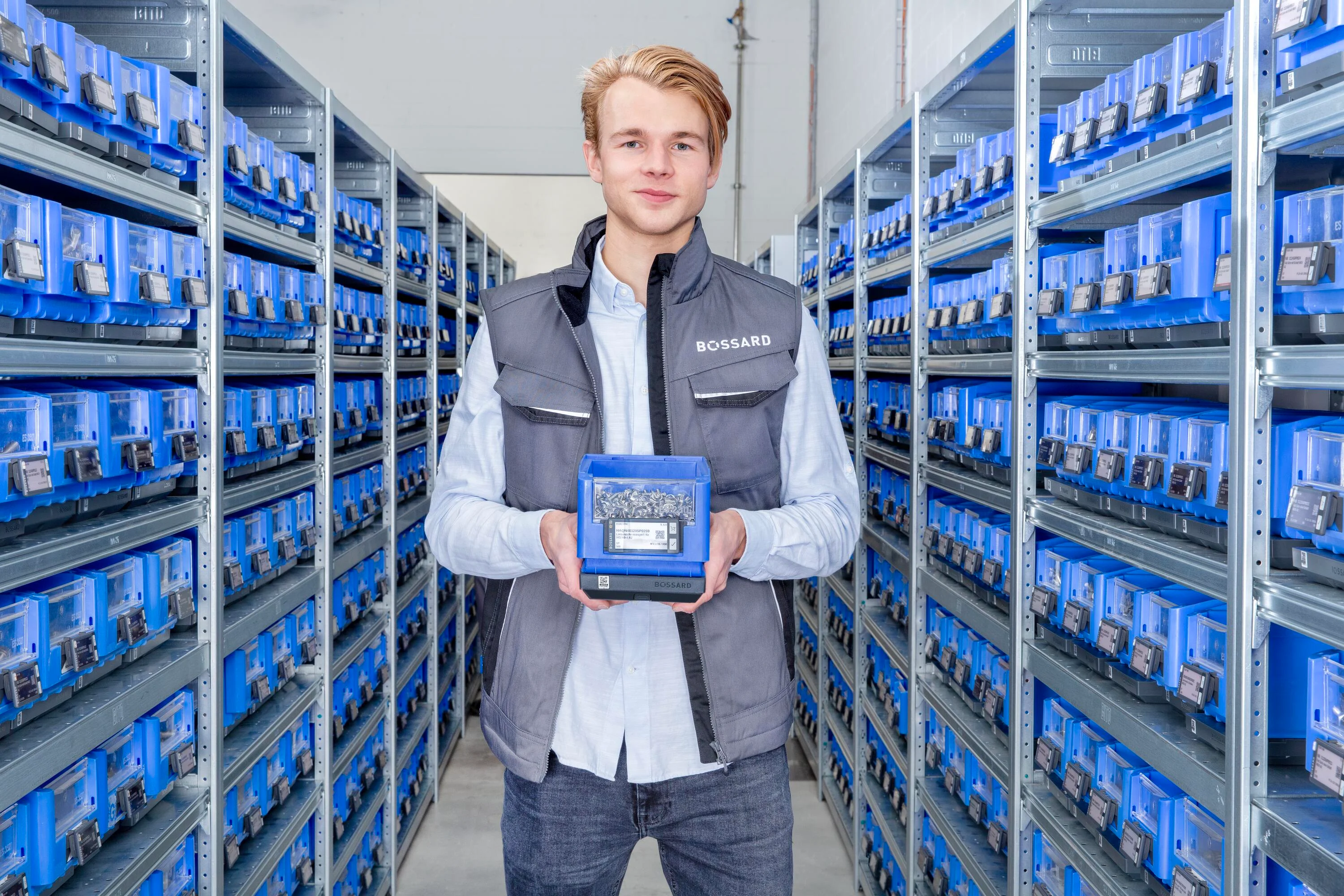
Networked sensors monitor machine functions and environmental factors in real time. Supply chain management solutions create a resilient supply chain by automating reordering and inventory management for B and C-parts.
Additive Manufacturing (3D Printing)
This enables resource-efficient and flexible production with less waste and optimized supply chains.
Cloud Computing
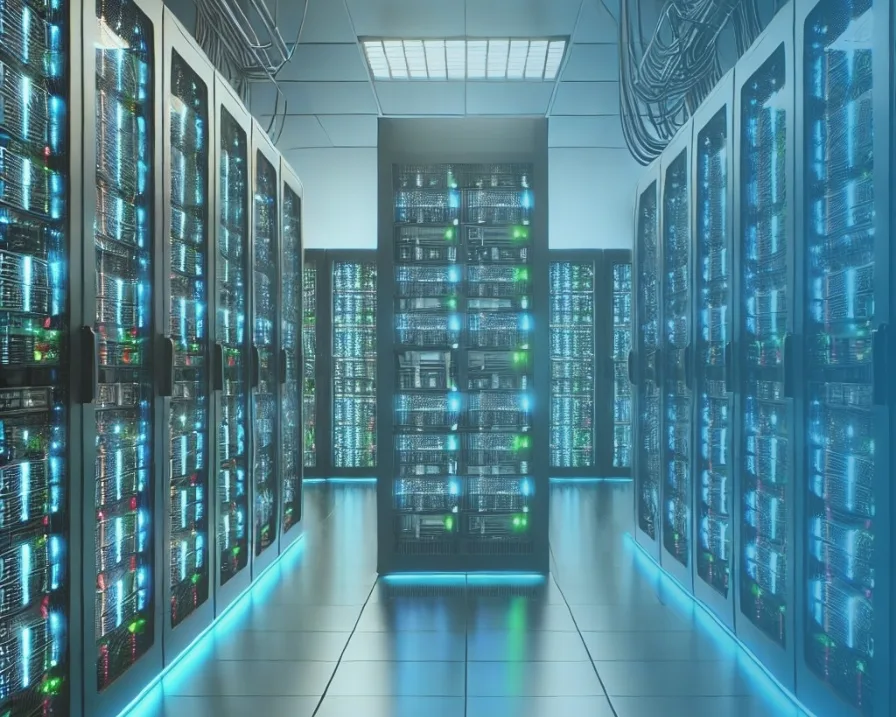
Cloud computing enables the secure exchange and processing of large amounts of data for networked production. Examples of cloud computing include interactive supply chain platforms that use cloud computing to enable real-time management of B and C-parts, full transparency of material flows and a fully automated ordering process. Another example are platforms for digitizing and optimizing assembly processes. These use cloud computing to connect smart tools and devices that collect and exchange data in real time. In addition, production data can be recorded and analyzed in for improved production quality and traceability.
Overall, the goal of Industry 4.0 is a networked smart factory that efficiently manufactures customized products.
What Is Industry 5.0?
Industry 5.0 goes beyond this highly technology-centric approach and also emphasizes a societal transformation of industry. In addition to technology, there is a greater focus on people. Efficiency remains important, but sustainability, resilience and social responsibility are also gaining in significance. It is a further development, not a departure from Industry 4.0.
Opportunities of Industry 5.0
Industry 5.0 combines the themes of Industry 4.0 with a sustainable and human-centered approach to work. This pays off not only for company management, but also for the workforce: fewer monotonous tasks, more exciting challenges and better working conditions increase satisfaction and strengthen employee loyalty. But the opportunities and advantages go beyond that.
Technology As Support, Not Replacement
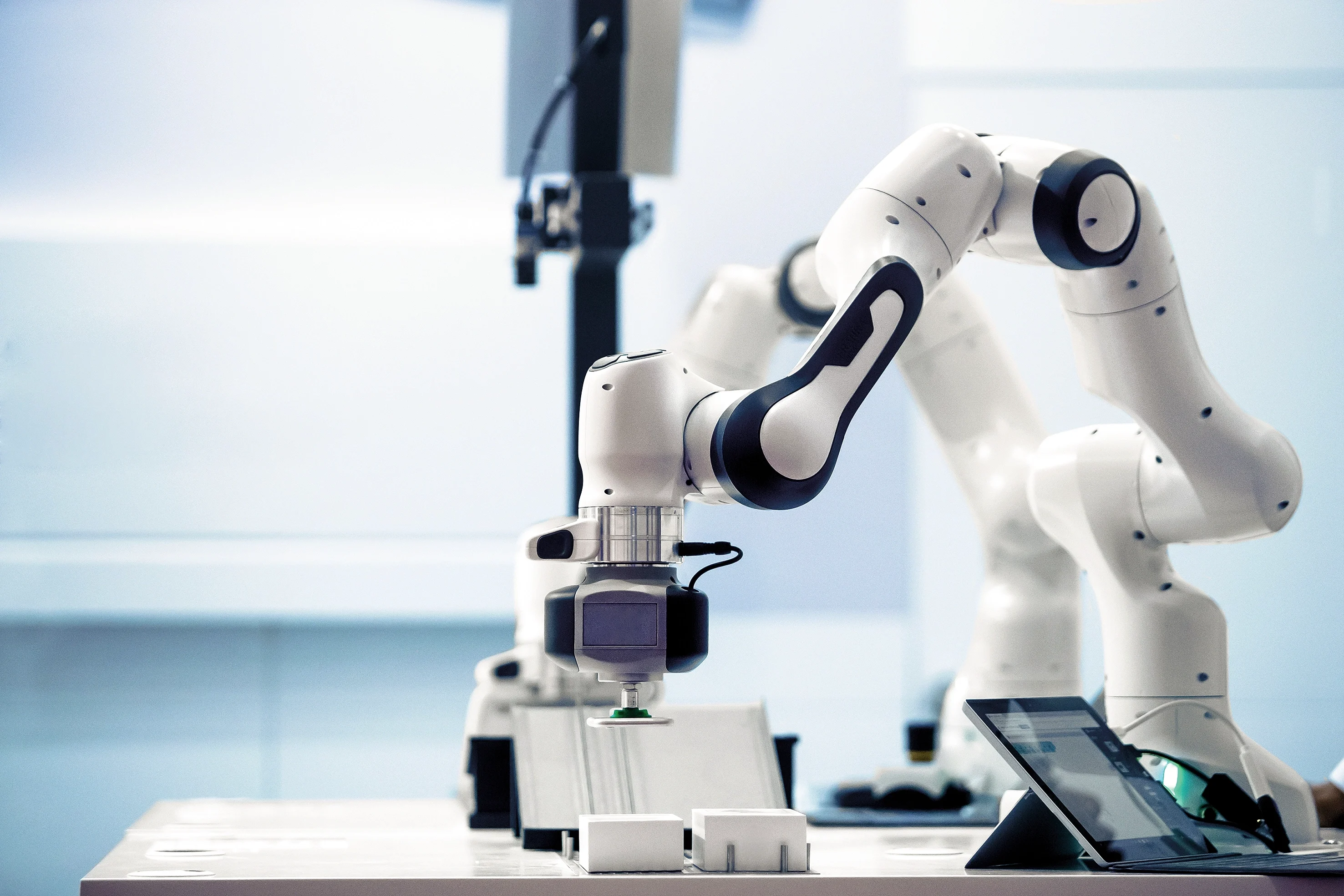
Automation and AI can make work processes more ergonomic and safer. Intelligent assistance systems and robotics relieve employees physically and cognitively, increase their productivity and strengthen their health in the long term. Digital work instructions, intelligent tools and automatic quality control systems such as smart cameras relieve employees and eliminate errors.
Integrating Sustainability Into the Core of the Strategy
Companies promote resource-saving processes, minimize waste and produce energy-efficiently. The use of renewable energies and smart control systems for consumption optimization reduce energy and material consumption and increase competitiveness. Optimized, automated warehouse management and full transparency and control over inventories make companies more sustainable and efficient.
Building Resilience and Cybersecurity
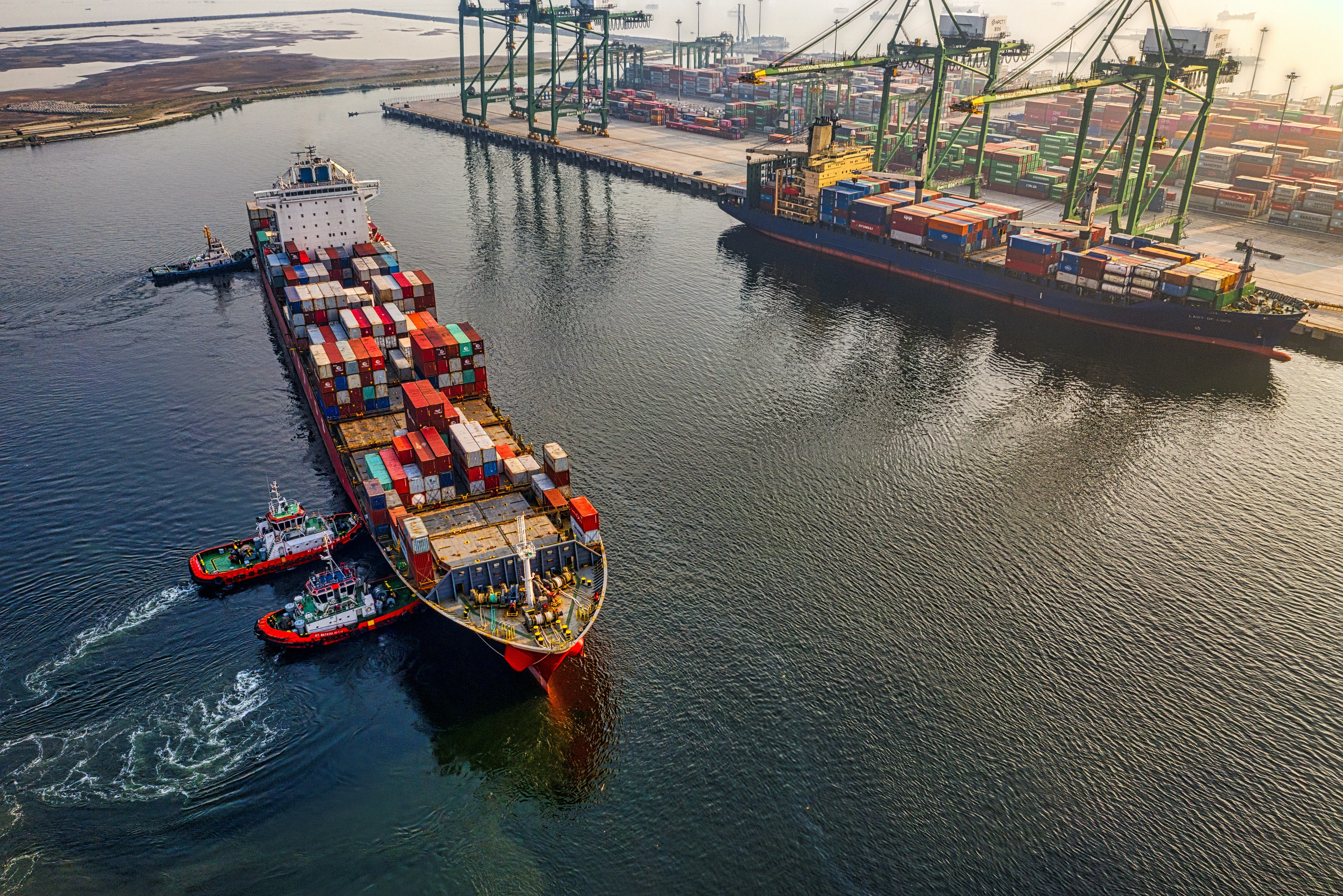
Flexible and regionally diversified production reduces dependence on individual suppliers and strengthens the industry and individual companies in the face of crises and supply chain bottlenecks. Automatic supplier management systems consolidate deliveries of B and C-parts, minimize costs and improve sustainability, for example. Centrally organized management of expertise and standardized assembly processes enable flexible and scalable implementation on a global level. Investments in digital security minimize risks from cyber attacks or technical malfunctions.
Involving and Empowering Employees
The introduction of new technologies should always be accompanied by training and further education so that employees can make meaningful use of AI, robotics and digital twins. Their active participation in implementation also promotes acceptance and produces practical solutions. Companies benefit not only from more efficient processes, but also from motivated and committed specialists.
Industry 5.0 combines the themes of Industry 4.0 with a sustainable and human-centred approach to work. This pays off not only for management, but also for the workforce: fewer monotonous tasks, more exciting challenges and better working conditions.
Conclusion: Industry 5.0 as a Strategy for the Future
Industry 5.0 offers manufacturing companies the opportunity to position themselves in a sustainable, resilient and people-centered way. Instead of focusing solely on digitalization and automation, the aim is to understand technology as a tool to support people.
Those who set the course now can secure competitive advantages at an early stage. Companies should analyze which Industry 5.0 technologies are relevant for their production and launch initial pilot projects.